
Can Thin Brick Be Installed Over Drywall?
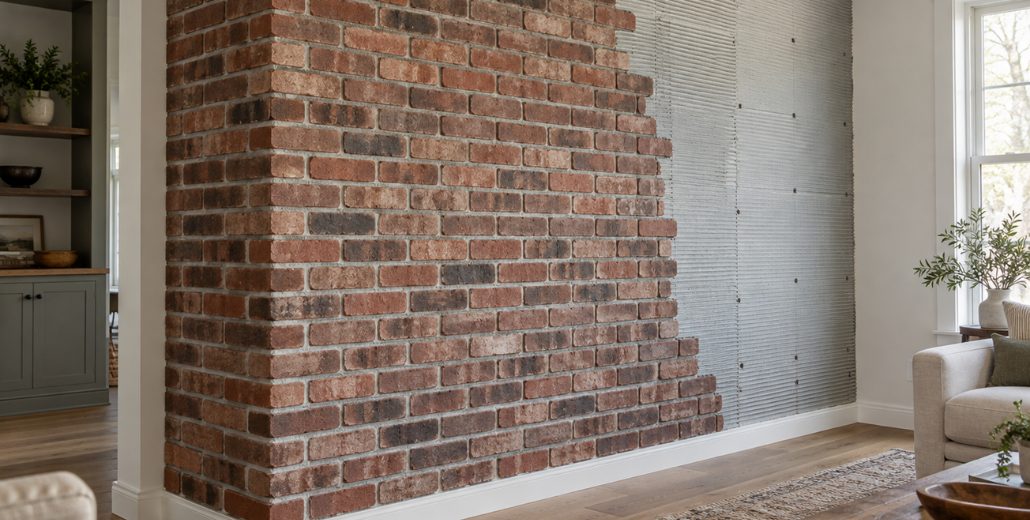
Yes, thin brick can sometimes be installed over drywall, but only when the selected thin-brick system, adhesive or mortar, wall condition, and manufacturer instructions allow it.
The important question is not simply whether drywall is present. It is whether that wall is a suitable substrate for the complete thin-brick assembly.
For many interior accent walls, backsplashes, and decorative features, thin brick can be much easier to add than full-depth brick because it is lighter and does not require a traditional brick ledge or full masonry wall. But the wall still needs to be sound, flat, dry, and compatible with the installation method.
Key Takeaways / Summary
- Thin brick can be used over some drywall assemblies. The exact product and installation method determine whether direct application is appropriate.
- Drywall is not automatically an approved substrate. Wall condition, moisture exposure, paint or coatings, and the weight of the complete veneer system all matter.
- Cement board may be the better substrate for some systems. Manufacturer guidance should determine whether drywall, cement board, or another approved backing is required.
- Interior and exterior installations are different. Exterior thin brick requires moisture-management details that go far beyond simply attaching brick to a wall surface.
- Choose the thin-brick system before preparing the wall. Adhesive, mortar, joint treatment, corners, and substrate requirements should be confirmed together.
Why Thin Brick Works Differently From Full Brick
Thin brick is a veneer rather than a full-depth masonry wall.
That difference is what allows it to be used on interior accent walls, fireplace surrounds, backsplashes, and other places where traditional full-depth brick would require more space and structural support.
The Brick Industry Association describes thin brick as a clay masonry product used in adhered veneer and other approved systems for both interior and exterior applications.
VanderWall's guide to thin brick versus full brick explains the broader differences in wall depth, support, and project use.
Can Thin Brick Go Directly Over Drywall?
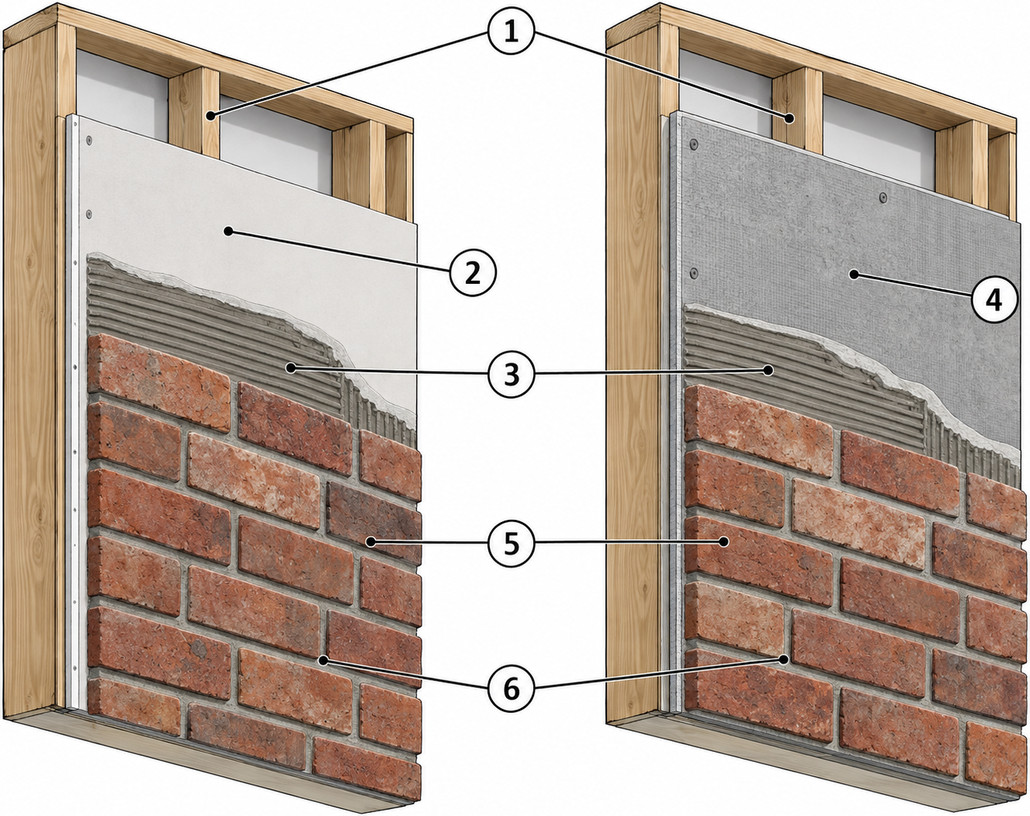
- Wall framing
- Approved drywall substrate where permitted by the selected system
- Approved adhesive / setting system
- Cement backer board where required
- Thin brick veneer
- Pointing mortar joints
Sometimes.
General Shale shows interior thin-brick accent-wall applications where brick is installed over drywall using an approved adhesive system. Glen-Gery also notes that thin brick can be applied to surfaces including drywall and cement board, depending on the system.
That does not mean every thin brick, adhesive, and drywall wall can be combined interchangeably.
The exact manufacturer instructions should answer:
- Whether drywall is an approved substrate
- What type of drywall is acceptable
- Whether the wall must be primed or otherwise prepared
- Which adhesive or mortar is approved
- Maximum veneer weight or system limitations
- Whether cement board or another backing is required
Practical tip: Select the brick and installation system before buying wall-preparation materials. The substrate requirement should come from the approved system, not from a generic thin-brick tutorial.
When Cement Board May Make More Sense
Cement board is often used when the selected thin-brick system calls for a more masonry-compatible or moisture-resistant backing.
It may be appropriate when:
- The manufacturer specifically requires it
- The wall will use a mortar-based installation system
- The existing drywall is damaged or unsuitable
- The project is near a location where moisture exposure is more likely
- The total veneer assembly requires a more robust substrate
The decision should be based on the actual product instructions rather than assuming cement board is always required or always unnecessary.
The Existing Drywall Still Has to Be in Good Condition
Even when a direct-to-drywall system is approved, the drywall itself needs to provide a reliable surface.
Before installation, review:
- Loose or damaged drywall
- Soft areas
- Water damage
- Heavy texture
- Wallpaper
- Peeling paint
- Glossy or bond-inhibiting coatings
- Movement or flexing in the wall
An adhesive can only perform as well as the surface it is bonded to. If paint releases from the drywall, for example, the veneer attached to that paint does not have a reliable connection to the wall underneath.
Practical tip: Repair the wall first. Thin brick should not be used as a way to hide a substrate that is already loose, wet, or deteriorating.
What About Painted Drywall?
Painted walls need product-specific review.
Some approved adhesive systems may allow installation over properly prepared painted drywall. Other systems may require a different preparation method or backing surface.
Surface cleanliness, paint condition, gloss, and bond compatibility all matter.
Do not assume that roughing up the paint automatically makes every adhesive compatible with the wall. Follow the adhesive and thin-brick manufacturer's current preparation instructions.
Is Thin Brick Too Heavy for Drywall?
Thin brick is considerably lighter than full-depth brick, which is one reason it works well for renovation and interior applications.
However, the complete wall system includes more than the brick itself.
Total weight can include:
- Thin brick
- Adhesive or setting mortar
- Pointing mortar
- Backer board where used
- Panel systems or other accessories
The support question should therefore be answered using the complete approved assembly rather than the weight of one brick sample.
The Brick Industry Association's Thin Brick Council resources describe thin brick as part of adhered veneer and other approved systems, which is an important distinction from treating the brick as a standalone finish.
Drywall Applications Are Primarily an Interior Question
Installing thin brick on an exterior wall is a different project.
Exterior assemblies need to manage rain, drainage, flashing, weather-resistive barriers, movement, and transitions around openings.
A method that works for a dry interior feature wall should not automatically be transferred to an exterior wall.
VanderWall's brick and thin-brick products can be used across a range of interior and exterior applications, but the installation system should always match the exposure and wall construction.
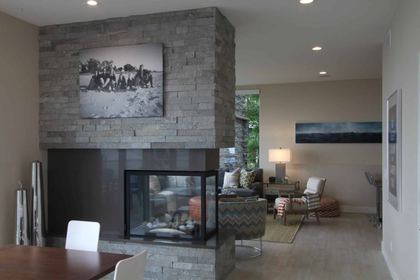
What About Thin Brick Around a Fireplace?
Thin brick can be used as a fireplace finish in many projects, but the fireplace introduces another set of requirements.
The exact appliance determines clearances, noncombustible zones, finishing materials, trim conditions, and heat-management requirements.
Do not assume that because thin brick itself is masonry, the drywall behind it is automatically acceptable everywhere around a fireplace.
The fireplace manual and the approved veneer assembly should be reviewed together before the wall is built.
Plan Corners and Wall Edges Before Installation
A successful thin-brick wall is not only about attaching flat pieces.
Exposed edges can reveal the thin profile unless the project uses appropriate corner units or another intentional termination detail.
Before ordering, identify:
- Outside corners
- Inside corners
- Door and window edges
- Cabinet transitions
- Baseboards
- Ceiling transitions
- Fireplace openings
- Where the brick stops against painted drywall
This is also where full-size material samples become useful. VanderWall carries thin brick in flats and corners, allowing the complete edge condition to be reviewed before installation.
How Much Wall Depth Does Thin Brick Add?
Thin brick adds less depth than full brick, but it still projects beyond the original wall.
The final depth includes the brick plus the selected adhesive, mortar, backer board, or panel system.
That can affect:
- Electrical outlets and switch plates
- Window and door trim
- Cabinetry
- Baseboards
- Fireplace trim
- Adjacent drywall transitions
Practical tip: Build a small sample showing the complete wall assembly before finalizing trim and outlet details.
Questions to Ask Before Installing Thin Brick Over Drywall
- What exact thin-brick product are we using?
- Is drywall an approved substrate for this system?
- What adhesive or mortar does the manufacturer specify?
- Does the wall need a primer, backer board, or other preparation?
- Is the drywall dry, sound, flat, and securely attached?
- Is this a dry interior wall or a moisture-exposed location?
- Are corner pieces available?
- How will outlets, trim, cabinets, and edges accommodate the added depth?
- If this is near a fireplace, have the fireplace finishing requirements been confirmed?
Choose the Installation System Before Preparing the Wall
Thin brick can make it possible to bring real clay masonry into rooms where full-depth brick would be impractical.
In some interior applications, the approved system may allow installation over drywall. In others, cement board, another backing, or a different installation method may be the better choice.
The reliable sequence is to choose the exact brick first, review the manufacturer's installation options, inspect the existing wall, and then prepare the substrate around that confirmed system.
VanderWall Brothers supplies thin brick and full-depth brick along with mortar, tools, cleaners, and other masonry supplies for West Michigan projects.
If you are planning a thin-brick accent wall, fireplace surround, backsplash, or other interior feature, talk with the VanderWall team. Bring photos and approximate dimensions of the wall so the team can help you compare brick products and the installation requirements that should be confirmed before the project starts.
What we do
This is work we take on
Reading up is the first step. When you want it built, priced or supplied, these are the pages that cover it.
Keep reading
Patio Pavers: Which type is right for my home?
Patio pavers add a beautiful element to any garden, walkway, or patio. Today, there are endless possibilities when it…
Gas Fireplace Inserts: Everything You Need To Know
Michigan is known for its harsh weather, and it is not uncommon for temperatures to drop well below freezing during the…
Does a Gas Fireplace Need a Hearth?
A gas fireplace does not always need a projecting hearth in front of it.
Thinking about a project like this?
Reading about it only gets you so far. Tell us the room and we will tell you what is possible in it.
Rather just ask someone?
Call the showroom. If it takes two minutes on the phone we would rather tell you than have you read around it.