
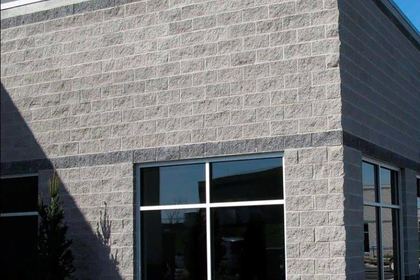
How to Choose Stone Veneer Colors for Your Home
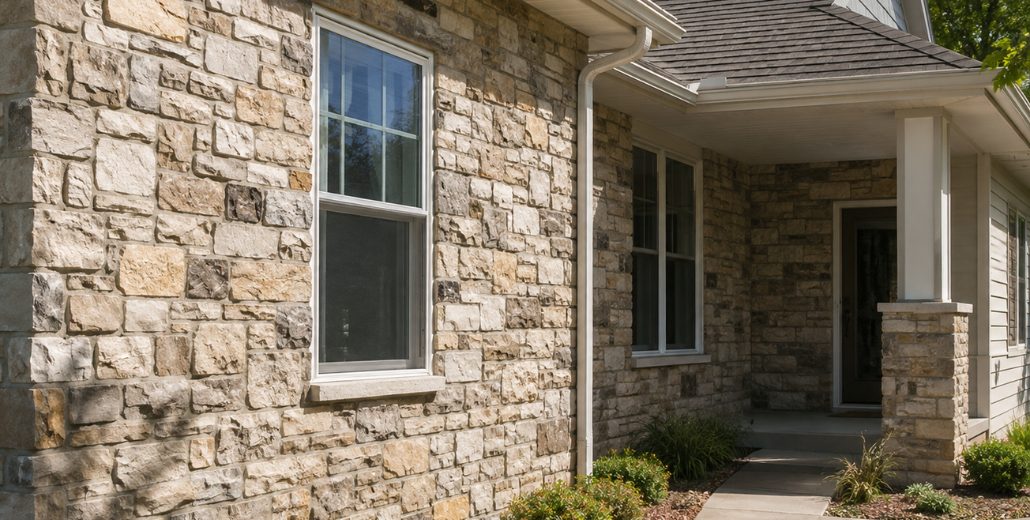
Choosing stone for a home involves more than finding a color that looks good on a sample board.
A gray stone may appear warmer outdoors. A beige blend may show stronger brown tones in afternoon light. A deeply textured profile can even look darker than a smoother stone with a similar color palette.
That happens because stone color is influenced by texture, light, shadow, mortar, surrounding materials, and the size of the finished wall.
When comparing stone veneer options for West Michigan homes, homeowners should look at the complete material rather than the color name alone.
Stone Color Is Usually a Blend
Many stone veneer products combine several colors rather than one uniform shade.
A single blend may include:
- Warm gray
- Cream
- Tan
- Charcoal
- Brown
- Soft white
The finished wall is created by the relationship between all of those tones. One individual stone may stand out on a sample, but it may become only a small accent once the complete wall is installed.
That is why homeowners should compare the overall blend instead of choosing based on one favorite piece.
Texture Changes How Color Is Perceived
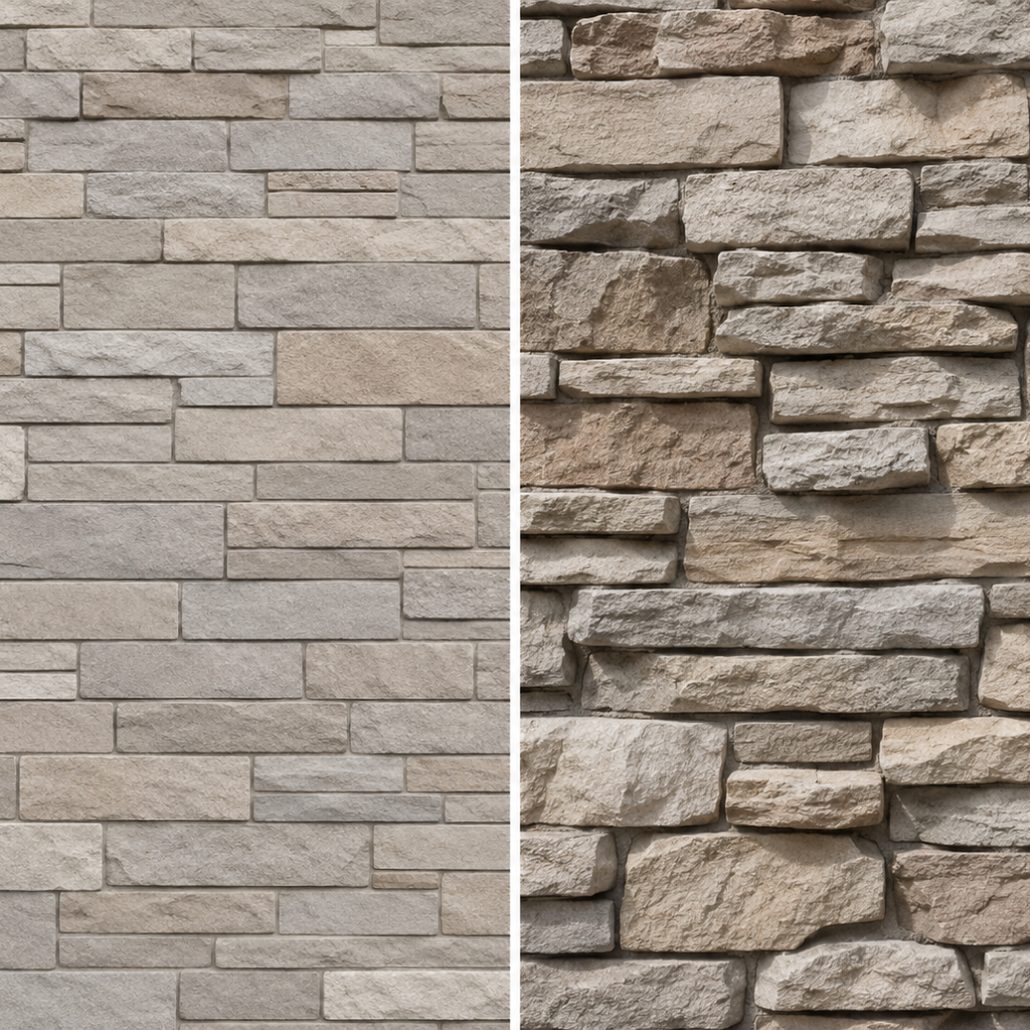
Texture creates highlights and shadows across masonry.
A flatter profile reflects light more evenly and may look more consistent. A heavily textured profile has raised surfaces, deeper edges, and recessed areas that create stronger contrast.
Two products in the same general color family can therefore look noticeably different.
A lightly textured gray stone may feel clean and restrained, while a more dimensional gray profile may appear darker and more varied because additional shadows are visible.
Light and Shadow Add Natural Variation
As light moves across textured stone, the raised areas receive more illumination while recessed portions remain darker.
This can emphasize:
- Stone edges
- Surface texture
- Mortar joints
- Differences between individual pieces
- Lighter and darker areas within the blend
Industry guidance on how lighting affects manufactured stone selection explains why stone should be reviewed under realistic lighting conditions before the final choice is made.
Sunlight Can Change How Exterior Stone Looks
Exterior stone is seen under changing natural light throughout the day.
Morning light, direct midday sun, afternoon shade, roof overhangs, trees, and nearby structures can all change how the material appears.
Lighter surfaces may become brighter in direct sun. Deeper textures can create stronger shadows. Warm undertones may also become more noticeable during certain parts of the day.
The stone itself has not changed color. The lighting around it has changed how the color is perceived.
For exterior projects, homeowners should review samples outdoors whenever possible.
Mortar Is Part of the Color Decision
Mortar occupies visible space between masonry units, so its color contributes to the overall appearance of the wall.
A mortar color similar to the stone may create a quieter, more blended look. A contrasting mortar can make individual shapes and colors stand out more clearly.
When comparing stone veneer colors, consider:
- Stone blend
- Mortar color
- Joint width
- Joint finish
- How much mortar will remain visible
The stone and mortar should be evaluated together rather than as separate design choices.
Nearby Materials Change How Stone Reads
Stone rarely appears alone on a finished home.
It may sit beside siding, brick, roofing, windows, trim, wood, or metal.
Those surrounding materials affect contrast.
A medium gray stone may appear darker beside white siding and lighter beside charcoal siding. A cream-colored stone may appear noticeably warmer when placed next to cool gray materials.
When possible, compare stone samples directly with materials that will remain on the home.
Pay Attention to Undertones
Two products may both be called gray while having very different undertones.
One may contain warm tan and brown. Another may lean toward charcoal or blue-gray.
Those secondary colors often determine whether the stone works well with roofing, siding, window frames, wood doors, flooring, or cabinetry.
Instead of asking only, "Is this gray?" look for the smaller colors within the blend.
Those undertones often create the connection between the stone and the rest of the home.
Manufactured Stone Offers Many Color and Texture Options
Manufactured stone veneer options are available in a wide range of profiles, textures, and color combinations.
The Concrete Masonry & Hardscapes Association provides additional guidance on how to choose manufactured stone colors.
Manufactured stone is designed to reproduce many of the visual characteristics found in natural materials. CMHA also explains how manufactured stone recreates natural color and texture.
Homeowners should compare both profile and color because changing either one can noticeably affect the finished wall.
Natural Stone Includes Its Own Variation
Natural stone products contain variation created by the material itself.
Mineral content, geological formation, surface texture, and the way individual pieces are cut can create differences throughout an installation.
That variation is part of natural stone's character.
Homeowners deciding between material categories can also review VanderWall's Manufactured Stone vs. Real Stone guide.
A Small Sample Cannot Show the Entire Wall
Scale is one of the biggest challenges when choosing masonry.
A sample board represents only a small portion of the final installation. A full wall contains more stone sizes, color variation, mortar joints, corners, and changes in light and shadow.
Viewing distance matters too.
Up close, homeowners notice individual textures and colors. From across the room or street, those details begin to blend together and the eye reads the overall color balance and pattern.
Whenever possible, compare a larger display or completed project in addition to small samples.
Consider How Much Stone Will Be Used
A strong color used on one column may feel subtle. The same stone across an entire exterior wall may have a much greater visual impact.
Before making the final choice, consider whether the stone will cover:
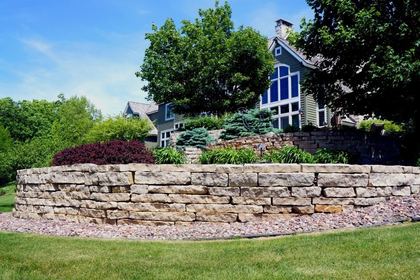
- A full exterior wall
- A foundation
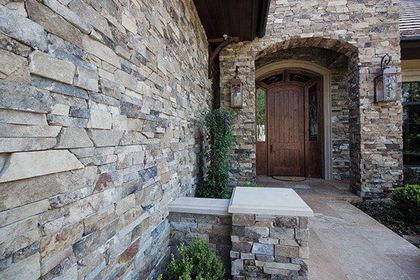
- An entryway
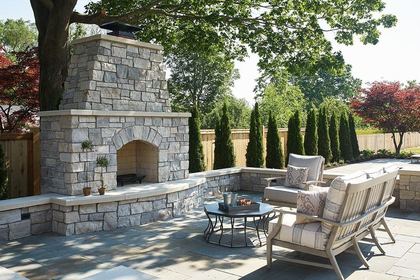
- A fireplace
- An outdoor kitchen
- Small architectural accents
Color and coverage should be evaluated together.
Exterior and Interior Stone Need Different Reviews
Exterior stone should be viewed outside whenever practical.
Place samples beside the actual siding or brick, look at them in both sun and shade, and step far enough away to see the overall combination.
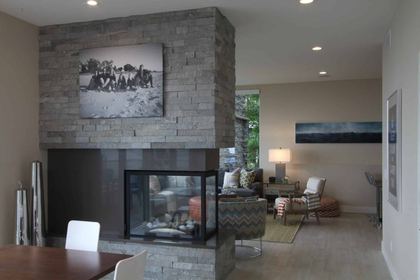
For interior fireplaces, compare stone with:
- Flooring
- Wall color
- Mantel materials
- Cabinetry
- Furniture
- Interior lighting
The same stone can feel warmer indoors because of wood flooring, warm lighting, or surrounding finishes.
Use Digital Tools for Direction, Not Final Approval
Online galleries and visualizers can help homeowners narrow broad design directions, such as light versus dark or warm versus cool.
However, screen brightness and color reproduction vary.
Physical samples should still be reviewed before final approval.
Homeowners exploring ProVia products can also review VanderWall's article about ProVia manufactured stone and its project visualizer.
A Simple Process for Choosing Stone Veneer Colors
1. Identify Existing Colors
Start with roofing, siding, brick, flooring, trim, or other materials that will remain.
2. Decide on Contrast or Continuity
Determine whether the stone should become a focal point or blend more quietly with the home.
3. Compare Texture and Color Together
Remember that deeper texture creates stronger shadows and may make a similar palette appear darker or more varied.
4. Review the Material in Realistic Light
Look at exterior samples outdoors and interior samples in lighting similar to the finished room.
5. Step Back
Judge the complete combination from a realistic viewing distance instead of focusing on one individual stone.
Compare Stone Samples in Person
Seeing full-size materials together is one of the easiest ways to understand differences in color and texture.
Homeowners can compare stone samples in person at VanderWall's West Michigan showrooms.
Bring photos or samples of siding, roofing, flooring, cabinetry, or other permanent materials when possible. This can make it easier to see how each stone option relates to the complete project.
Questions to Ask Before Choosing Stone
- What colors appear throughout the complete blend?
- Are the undertones warm, cool, or neutral?
- How much texture does the stone have?
- How does it look in sun and shade?
- What mortar color will be used?
- How does it relate to siding, brick, or roofing?
- How much of the home will use the material?
- Can I see a larger display or completed installation?
The Right Stone Color Depends on the Complete Setting
Stone veneer color is influenced by more than pigment.
Texture creates highlights and shadows. Mortar changes the overall blend. Nearby materials affect contrast. Natural and artificial light reveal different undertones. A full wall can also look different from a small sample.
Understanding those relationships helps homeowners choose stone with more realistic expectations.
The goal is not to find a sample that looks perfect under one light. It is to choose a stone veneer color and texture that work naturally with the home where the finished material will actually be seen.
If you are comparing stone veneer colors for a fireplace, exterior, outdoor kitchen, or another home project, talk with the VanderWall team. Call (616) 842-4500 or visit www.vanderwallbros.com.
What we do
This is work we take on
Reading up is the first step. When you want it built, priced or supplied, these are the pages that cover it.
Keep reading
Fireplace Store | Grand Rapids, MI | VanderWall Bros.
Choosing the right fireplace can elevate both the comfort and visual appeal of any home. Whether upgrading an outdated…
Spring Outdoor Living Planning Guide
Fireplaces, Grills & Kitchens in West Michigan As winter fades across West Michigan, homeowners begin turning…
New Product Alert: ProVia Manufactured Stone (with Project Visualizer!)
VanderWall is proud to partner with stone veneer manufacturer ProVia to complement our wide selection of exterior and…
Thinking about a project like this?
Reading about it only gets you so far. Tell us the room and we will tell you what is possible in it.
Rather just ask someone?
Call the showroom. If it takes two minutes on the phone we would rather tell you than have you read around it.