
How Early Material Decisions Help Protect Project Schedules
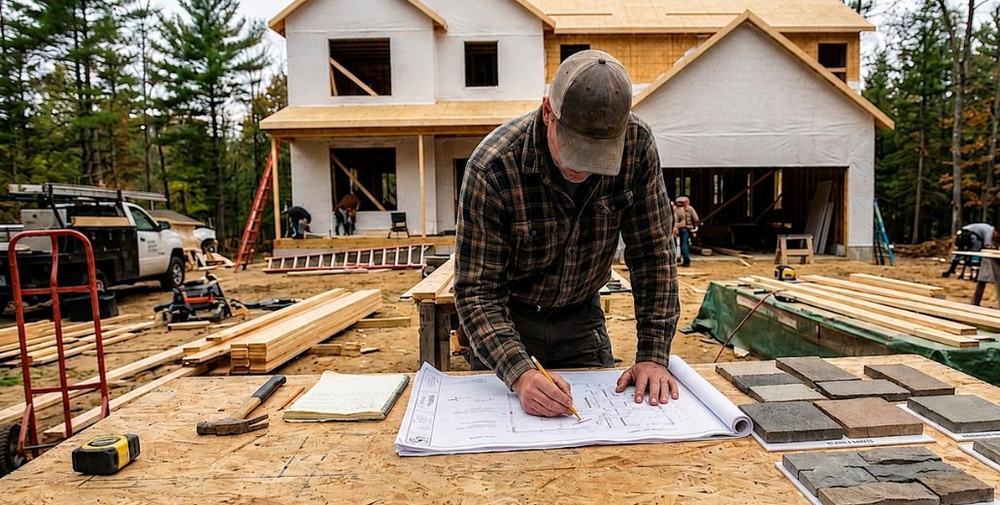
Construction schedules are often affected by decisions that appear small at the beginning of a project.
A fireplace model remains unconfirmed. A stone color is still under review. An outdoor grill changes after the utility locations have been planned. A masonry quantity is not finalized until the installation date is already approaching.
Each decision may seem manageable on its own, but unresolved selections can affect ordering, framing, utilities, trade coordination, delivery, and installation.
For builders and contractors, effective construction material planning in West Michigan means connecting product decisions to the project schedule before those decisions become urgent.
Material Decisions Are Part of the Schedule
A product selection should not be treated as a separate design conversation with no connection to construction.
Many products affect the work that comes before and after their installation. A fireplace can determine framing, venting, electrical access, gas access, hearth dimensions, and finish materials. An outdoor kitchen appliance can determine masonry openings, countertop dimensions, utility locations, and ventilation clearances.
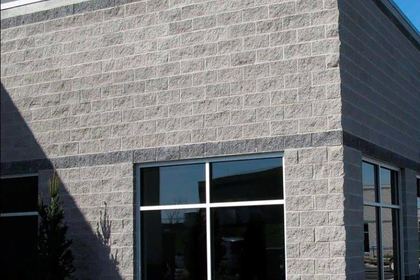
Stone, brick, pavers, and structural masonry products may also affect quantities, installation methods, staging, delivery needs, and surrounding finishes.
Builders should treat these decisions as scheduled project activities with clear deadlines, responsible parties, and approval requirements.
Professional construction submittal schedule guidance also emphasizes the importance of accounting for submission dates, review periods, and installation timing within the larger construction schedule.
Create a Material Decision List Early
One of the simplest ways to improve coordination is to create a complete list of the products and materials that require selection.
- Fireplace type and model
- Venting components
- Gas or electrical accessories
- Mantel and hearth materials
- Natural or manufactured stone
- Brick and mortar selections
- Structural block
- Pavers and retaining wall products
- Outdoor grills and cooking appliances
- Outdoor refrigeration and storage
- Fire pits, fire tables, and outdoor fireplaces
- Countertops and finish materials
Builders can then organize the list by the date each selection must be approved, rather than the date the product is expected to be installed.
Reviewing available masonry materials and project supplies early can also help the team identify which categories need further decisions before quantities and orders are finalized.
Work Backward From the Required Installation Date
The installation date is not the ordering deadline.
Builders should work backward from the date the product is required on site and account for every step that needs to happen first.
Depending on the product, those steps may include:
- Homeowner selection
- Builder or designer review
- Final model and finish confirmation
- Product data or sample approval
- Pricing confirmation
- Order placement
- Manufacturing or supplier preparation
- Transportation and delivery
- Site inspection before installation
If any of these steps require additional review, the selection deadline needs to occur earlier.
Fundamental construction scheduling procedures connect project activities with the timely availability of materials, equipment, and labor. Material decisions should therefore be tied directly to the work they support.
Prioritize Products That Affect Other Trades
Not every material decision carries the same schedule risk.
Builders should first prioritize products that affect framing, utilities, mechanical work, roofing, masonry openings, countertops, or surrounding finishes.
- Fireplaces that require specific framing and venting
- Outdoor grills with fixed cutout dimensions
- Refrigerators and appliances that require electrical access
- Sinks that require water and drainage
- Fire features that require gas access
- Stone or brick that affects wall depth and transition details
- Custom mantels, hearths, caps, or countertops
Confirming these items early gives each trade more accurate information and reduces the need to build around assumptions.
Confirm the Exact Product, Not Only the Category
Knowing that a project will include a gas fireplace or built-in grill is not always enough.
Different models within the same category may have different dimensions, clearance requirements, utility locations, venting configurations, and installation instructions.
- Manufacturer
- Exact model number
- Product dimensions
- Required accessories
- Fuel or electrical requirements
- Venting or ventilation requirements
- Framing and clearance information
- Finish and trim selections
- Current installation instructions
Reviewing exact fireplace products for West Michigan projects helps builders move from a general concept to the specific information needed for coordination.
Build Review and Approval Time Into the Plan
Material decisions often involve more than one person.
The homeowner may make the initial selection, but the builder, architect, designer, installer, or supplier may still need to confirm that the choice fits the project requirements.
The schedule should allow time for:
- Product data review
- Color or finish approval
- Physical sample review
- Shop drawing review where applicable
- Questions and revisions
- Final written confirmation
Construction submittals may include product information, samples, drawings, and other documents needed to demonstrate how a selected product will be incorporated into the work. Reviewing construction submittal requirements can provide additional context for this process.
When review time is not included, an approval delay can quickly become an ordering delay.
Give Homeowners Clear Decision Dates
Homeowners may not know which choices affect the schedule most.
A builder can make the process easier by providing a clear sequence of decisions instead of presenting every selection at once.
A practical decision schedule may identify:
- What needs to be selected
- Why the decision is needed
- The final approval date
- What construction activity depends on it
- Who should answer technical questions
- What happens if the decision changes later
This turns a general request to “choose the fireplace soon” into a specific project requirement with a reason and deadline.
Builders can also encourage homeowners to compare products and materials in person before the final decision date. Seeing fireplaces, stone, brick, pavers, and outdoor products together can help resolve questions earlier.
Coordinate Product Decisions With Framing and Utilities
Material selection and field preparation should be reviewed together.
Once a product is confirmed, the appropriate trades should receive the current specifications before their work is completed.
For fireplace projects, this may involve:
- Framing dimensions
- Chase requirements
- Venting paths
- Gas and electrical access
- Hearth and mantel dimensions
- Finish material thickness
For outdoor projects, coordination may include:
- Grill and appliance cutouts
- Gas, electrical, water, and drainage locations
- Countertop dimensions
- Masonry base construction
- Patio elevations
- Ventilation and clearance requirements
Reviewing outdoor kitchen and outdoor living products before utility and masonry work is finalized can help prevent field adjustments later.
Document Selections in One Current Record
Projects become harder to manage when product information is spread across emails, text messages, handwritten notes, and outdated proposals.
The project team should maintain one current record of approved selections.
- Product name and model number
- Finish or color
- Required accessories
- Approved quantity
- Approval date
- Order status
- Expected delivery date
- Required installation date
- Current product data or installation instructions
- Notes about substitutions or revisions
When a selection changes, the current record should be updated and the affected trades should be informed.
A clear record reduces the risk of one person working from an earlier decision.
Review Substitutions Before They Become Urgent
Product availability can change during a project.
A selected material may become unavailable, a finish may have a longer lead time than expected, or the homeowner may request a different option.
Builders should avoid treating a substitution as a simple visual replacement.
- Dimensions
- Framing
- Utility locations
- Installation requirements
- Adjacent materials
- Pricing
- Delivery timing
- Warranty or service considerations
Before approving a substitution, the team should review its effect on the complete project.
Identifying acceptable alternate products early can provide more flexibility if the first selection becomes unavailable.
Confirm Quantities Before Installation Approaches
Choosing a material does not complete the procurement process.
Builders also need accurate quantities that account for the design, installation method, cuts, transitions, pattern, and reasonable material allowance.
This is especially important for:
- Stone and brick
- Pavers
- Retaining wall materials
- Structural masonry products
- Mortar and related supplies
- Caps, corners, and finishing pieces
An incomplete quantity can interrupt installation even when the main material arrived on time.
Builders should confirm measurements and specialty pieces early enough to address questions before the crew is scheduled.
Plan Deliveries Around Site Conditions
Delivery timing should match both the construction schedule and the condition of the jobsite.
Materials delivered too late may delay installation. Materials delivered too early may need to be moved repeatedly or stored where they can be damaged.
Before arranging delivery, review:
- Site access
- Available storage space
- Ground and weather conditions
- Equipment required for unloading
- Protection from other trades
- The installation sequence
- Whether the complete order can be inspected
Clear delivery instructions help the supplier, builder, and installer understand where the material should go and when it will be needed.
Use Regular Checkpoints Instead of One Final Review
Material coordination should continue throughout the project.
A short recurring review can help the builder identify decisions that are approaching their deadlines.
Useful checkpoints include:
- Selections due within the next several weeks
- Items waiting for homeowner approval
- Products waiting for technical review
- Orders not yet acknowledged
- Expected delivery dates that have changed
- Substitutions requiring approval
- Materials needed for upcoming trade work
This allows the team to address potential problems before they reach the jobsite.
How VanderWall Supports Builder Planning
Builders and contractors often need more than a list of available products.
They need clear specifications, physical samples, product comparisons, practical guidance, and communication that supports the larger construction plan.
VanderWall Brothers works with builders, contractors, and homeowners across fireplaces, masonry, hardscapes, outdoor kitchens, and outdoor living products.
Through builder and project support throughout West Michigan, the team can help clients compare products, clarify selections, review available materials, and prepare for upcoming project needs.
Early involvement gives the builder and homeowner more time to make informed decisions before framing, utilities, finish work, or installation dates are affected.
Early Decisions Create a Clearer Path Forward
Not every construction delay can be prevented.
However, builders can reduce avoidable uncertainty by treating material selections as part of the project schedule from the beginning.
A clear process includes selection deadlines, exact model confirmation, technical review, written approvals, accurate quantities, delivery planning, and regular status checks.
When these steps happen early, builders have better information for coordinating trades and homeowners have more time to make confident choices.
The result is not simply faster ordering. It is a clearer project with fewer assumptions between selection and installation.
If you are coordinating fireplace, masonry, hardscape, or outdoor living materials for an upcoming project, talk with the VanderWall team. Call (616) 842-4500 or visit www.vanderwallbros.com.
What we do
This is work we take on
Reading up is the first step. When you want it built, priced or supplied, these are the pages that cover it.
Keep reading
2023’s Top Fireplace Designs
Are you thinking of installing a fireplace this year? Choosing the best option for your home can be challenging…
Can You Add a Fireplace to an Existing Home?
Most of the time, we work with clientele that requests to replace their outdated fireplace with a new and improved one…
Gas vs. Wood Fireplace: Which Is Right For You?
Perhaps you’d like to give your space a cozier aesthetic. Or, maybe you find peace in the idea of sitting next to a…
Thinking about a project like this?
Reading about it only gets you so far. Tell us the room and we will tell you what is possible in it.
Rather just ask someone?
Call the showroom. If it takes two minutes on the phone we would rather tell you than have you read around it.