
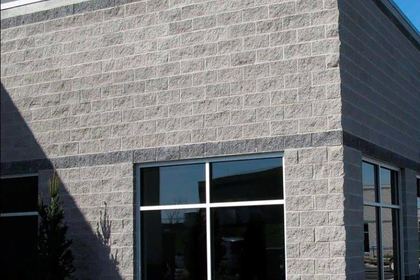
Everything To Know About CMU Blocks
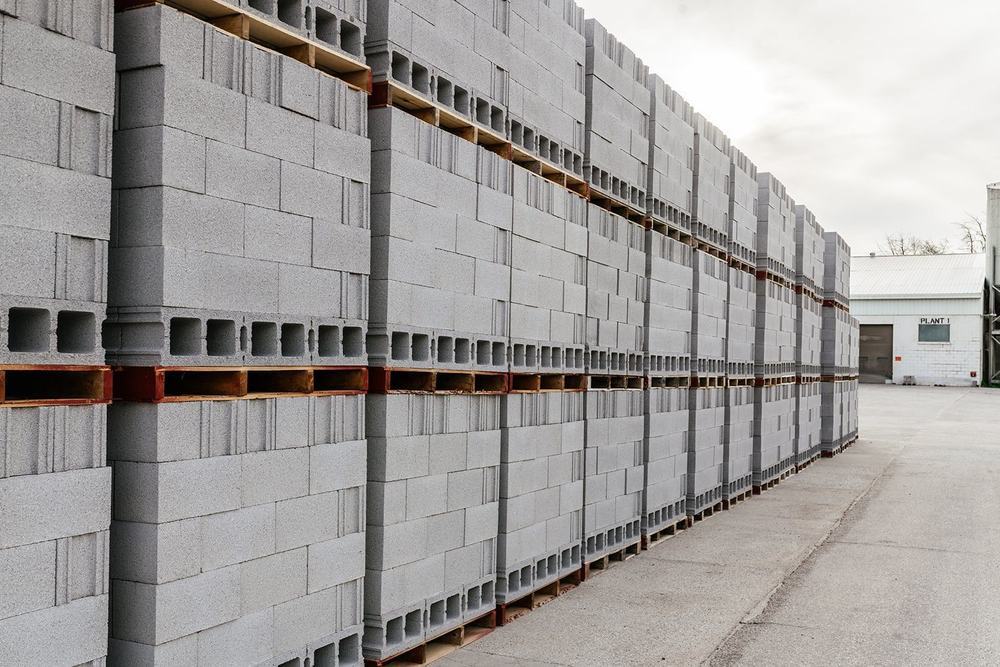
CMU blocks, also known as concrete masonry units, are widely used building materials for commercial and residential construction projects. These blocks offer a range of benefits, including durability, strength, fire resistance, and energy efficiency.
Whether you’re building a retaining wall or a foundation, CMU blocks can provide a sturdy and long-lasting solution. Are you interested in learning if CMU blocks are right for your next project? You’re in the right place!
Everything You Need to Know About CMU Blocks
This blog will tell you everything you need to know about CMU blocks, including their best features, benefits, applications, and more.
What is CMU Block?
CMU block is a type of precast concrete block used in construction for building walls, foundations, and other structures. CMU blocks are known for their strength, durability, fire resistance, and energy efficiency, making them a popular choice for construction projects of all types and sizes, including outdoor fire structures.
What is CMU Block Made Of?
CMU block is typically rectangular in shape and made from a mixture of cement, aggregates, and water. The aggregates are raw materials produced from natural sources, like pits and quarries, and could consist of sand, gravel, or crushed stone.
We make our own block at two automated plants here in West Michigan, using locally sourced raw materials and manufacturing to ASTM standards. You can see the full range on our concrete products page.
Lightweight vs. Ultra Lightweight CMU Blocks: What’s the Difference?
CMU blocks are available in lightweight and ultra-lightweight versions. Both are types of CMUs that are designed to be lighter in weight than traditional CMU blocks. The primary difference between the two is the level of density and weight reduction.
Lightweight CMU blocks are made by replacing heavier aggregates with lightweight materials, like expanded clay, shale, or slate. Lightweight CMU blocks typically weigh between 28 and 35 pounds.
Ultra-lightweight CMU blocks are made using a mixture of highly lightweight aggregates, like expanded polystyrene beads or perlite, and cement. Ultra-lightweight CMU blocks can weigh as little as 10 to 20 pounds.
What Sizes Does CMU Block Come In?
No matter what your project is, there is a suitable CMU block. CMUs come in various sizes and densities, with varying finishes and textures.
The width and height of the blocks are usually consistent at 8 inches by 8 inches or 8 inches by 10 inches, while the length can vary from 16 inches to 24 inches. Smaller and larger sizes are also available, such as half-high blocks or jumbo blocks, depending on the specific project requirements.
The most common sizes for standard CMU blocks include the following:
- 8″ x 8″ x 16″
- 8″ x 10″ x 16″
- 8″ x 12″ x 16″
- 10″ x 10″ x 16″
- 12″ x 12″ x 16″
How Much Does CMU Block Cost?
The average price of CMU blocks depends on their size, density, the region from which they were purchased, and the quantity ordered. The average cost of standard 8″ x 8″ x 16″ CMU blocks ranges from $1.50 to $3.00 per block.
As a rule of thumb, lightweight and ultra-lightweight CMU blocks are slightly more expensive than standard CMU blocks.
What Are the Benefits of CMU Block?
Concrete masonry unit blocks offer several benefits in construction. Some of the best advantages of using CMU blocks include the following:
- Durability
- Strength
- Fire resistance
- Energy efficiency
- Sound insulation
- Low maintenance
- Sustainable
- Thermal insulation
- Versatility
- Cost-effective
- Resistant to rot and pests
What Are the Common Applications of CMU Block?
CMU blocks have a wide range of applications in the building industry. Here at VanderWall, we use them often for foundations and buildings. Some of the other common applications of CMUs are:
- Load-bearing walls
- Retaining walls
- Interior walls
- Fences
- Sound barriers
- Exterior walls
- Garden walls
Where to Buy CMU Block in West Michigan
We manufacture concrete masonry units at our own plants and deliver them on our own fleet, so contractors and builders can order block, brick, and hardscape materials from one supplier. See what the plants produce on our concrete products page, or browse the wider masonry supply range.
When you need expertise for a new project, you can trust VanderWall. With our knowledge, experience, and expertise, we can assist you with various home projects utilizing CMU blocks and more. For more information, get an estimate or come in and visit our showroom to see our samples!
What we do
This is work we take on
Reading up is the first step. When you want it built, priced or supplied, these are the pages that cover it.
Keep reading
Can You Put Pavers Over a Concrete Patio?
Yes, pavers can often be installed over an existing concrete patio, but only when the slab is stable, drains properly…
Can You Put a TV Above a Gas Fireplace?
Yes, a television can often be installed above a gas fireplace, but the wall should be designed for that combination…
Retaining Walls in West Michigan: Height, Drainage, and the Rules That Apply
A retaining wall is the only thing in a yard that is holding something back every hour of its life. A patio sits still…
Thinking about a project like this?
Reading about it only gets you so far. Tell us the room and we will tell you what is possible in it.
Rather just ask someone?
Call the showroom. If it takes two minutes on the phone we would rather tell you than have you read around it.